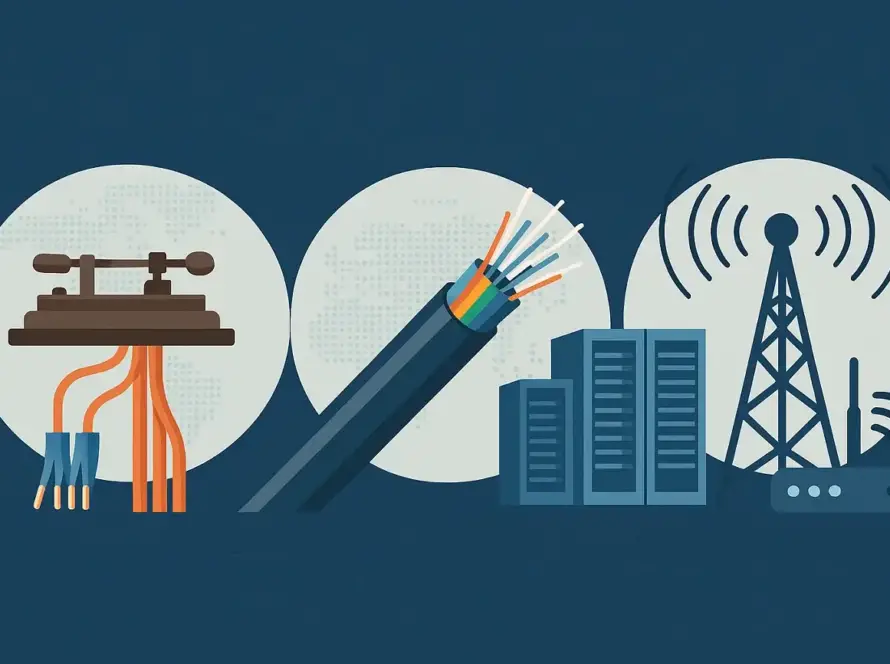
When it comes to electrical safety, there’s one detail that often goes unnoticed but is absolutely essential: mica for cables. In industrial environments—where heat and fire are real risks—cables must keep working without interruption. That’s where this remarkable material comes in.
Mica for cables acts like a protective shield. Its mission is simple yet crucial: to safeguard conductors from extreme heat and prevent flames from damaging electrical systems.
Thanks to its thermal resistance and electrical stability, mica has become a key material in the manufacturing of high-performance cables.
How is mica for cables made?
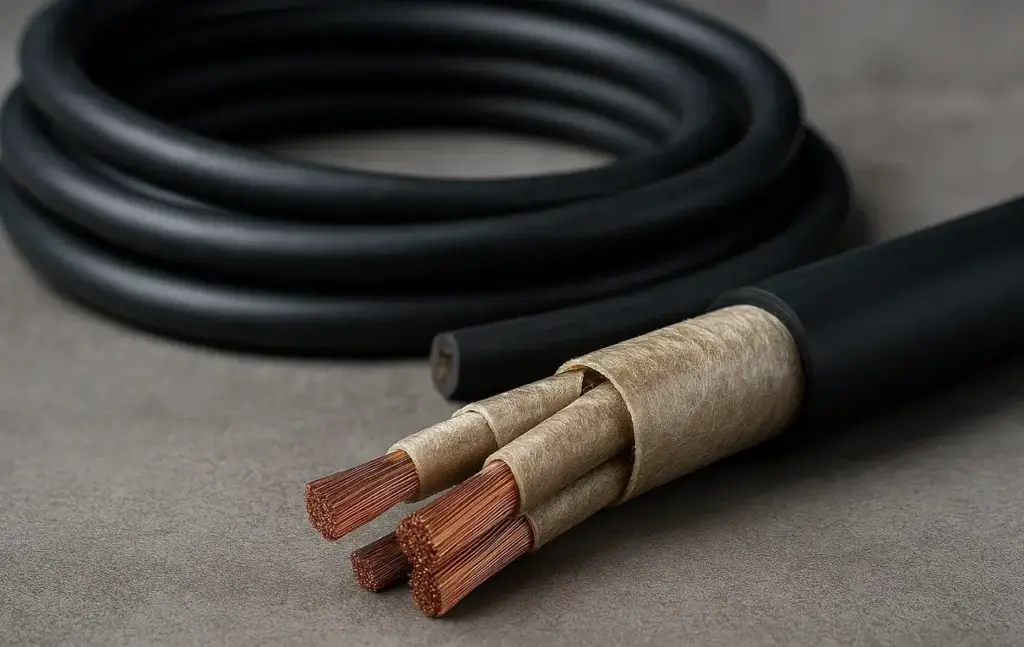
It’s made as a super-resistant, thin, and highly flexible tape, which makes it a very reliable material.
This tape is produced using natural minerals, such as muscovite mica, combined with resins capable of withstanding extremely high temperatures.
The tape is wrapped around the internal insulation of the cables to form a protective barrier.
In this way, mica prevents cables from being damaged by heat or fire, maintaining their electrical integrity.
This level of protection not only keeps systems operational during a fire—it also helps protect people and equipment.
Types and properties
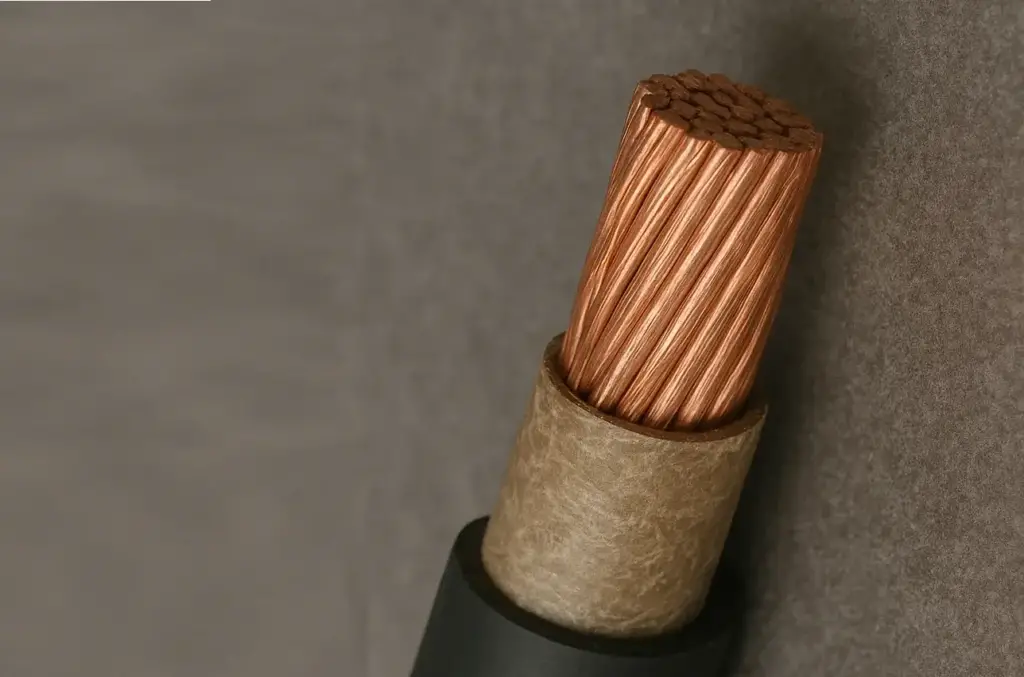
Not all mica cables are the same. Their specific applications depend on the type of mica used during manufacturing.
1-Cables with Phlogopite Mica
Designed for marine and naval installations or control cables, this type of mica can withstand temperatures up to 800 °C.
2-Cables with muscovite mica
Ideal for high-demand electrical systems, this variety can endure temperatures of up to 1000 °C without compromising performance.
Both types are halogen-free and comply with IEC 60332 standards, offering excellent fire-resistant performance.
In short, mica for cables provides strength, safety, and durability, all while being environmentally friendly.
Where is mica used?
Mica is used wherever safety and service continuity cannot be compromised. Common examples include:
- Fire-resistant power cables
- Industrial and chemical instrumentation cables
- Installations in tunnels, railways, or power plants
- Security systems, alarms, and emergency cables
In all these environments, mica serves as an invisible barrier that prevents short circuits and keeps systems operational—even under extreme conditions.
Advantages of using mica in cables
Choosing cables with mica is not just a technical decision; it’s also a smart investment in safety and sustainability.
Here are some of its main benefits:
- Maintains stable electrical insulation at high temperatures
- Enhances fire resistance and extends cable lifespan
- Provides effective protection without adding extra weight
- Easily integrates into automated production processes
- Emits very little toxic smoke or corrosive gases in case of fire
And because it’s halogen-free and non-polluting, mica stands out as a more eco-friendly and safer alternative to conventional flame-retardant materials.
A technical solution with a human touch
Behind every cable protected with mica lies a story of prevention, safety, and commitment.
When an electrical system keeps running during a critical situation, it’s because someone cared about every detail.
At Juan Gili S.L., we’ve been helping companies implement safe and sustainable technical solutions for years.
Our experience in industrial technical textiles, combined with our passion for quality, allows us to deliver reliable products designed to perform even in the most demanding environments.