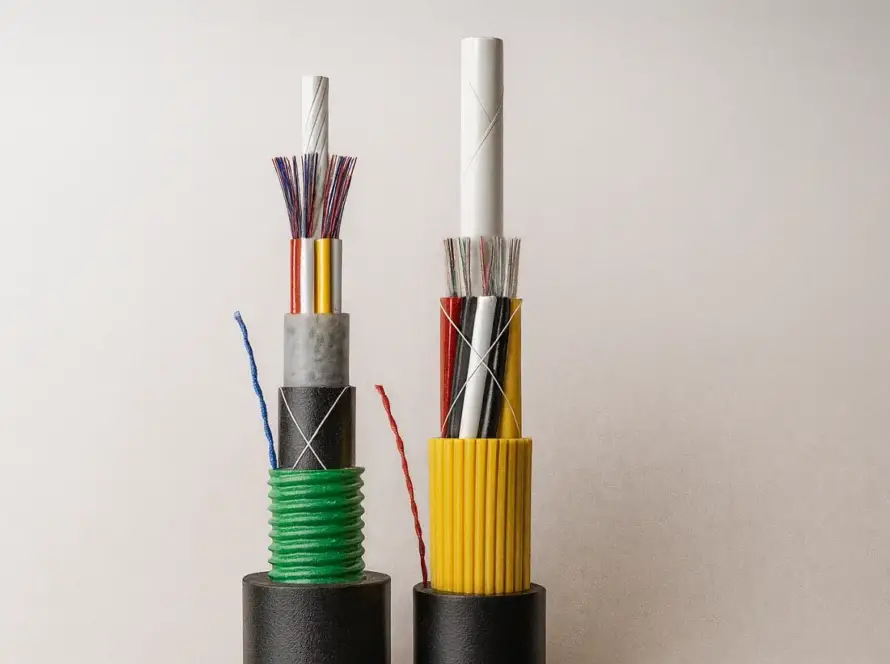
In the telecommunications sector, especially in industrial environments, the reliability and durability of components are essential. Industrial communication cables are subjected to demanding conditions that require advanced technical solutions. In this context, the use of cords & ropes (technical cords and ropes) represents a key solution to ensure mechanical strength, structural support, and protection of the cable’s internal elements.
This guide summarizes their function, composition, and advantages in modern industrial communication systems.
What are Cords & Ropes in Industrial Cables?
Cords & ropes are high-tenacity textile components integrated into the structure of cables, especially those designed for communication, data, control, and power applications. Their main functions are:
- To act as a tensile element to withstand stress during installation or prolonged use of the cable.
- To provide internal structure to the cable, preventing unwanted movement between layers.
- To serve as a ripcord, allowing the cable to be opened easily without damaging the internal conductors.
Applications in Industrial Communication Cables
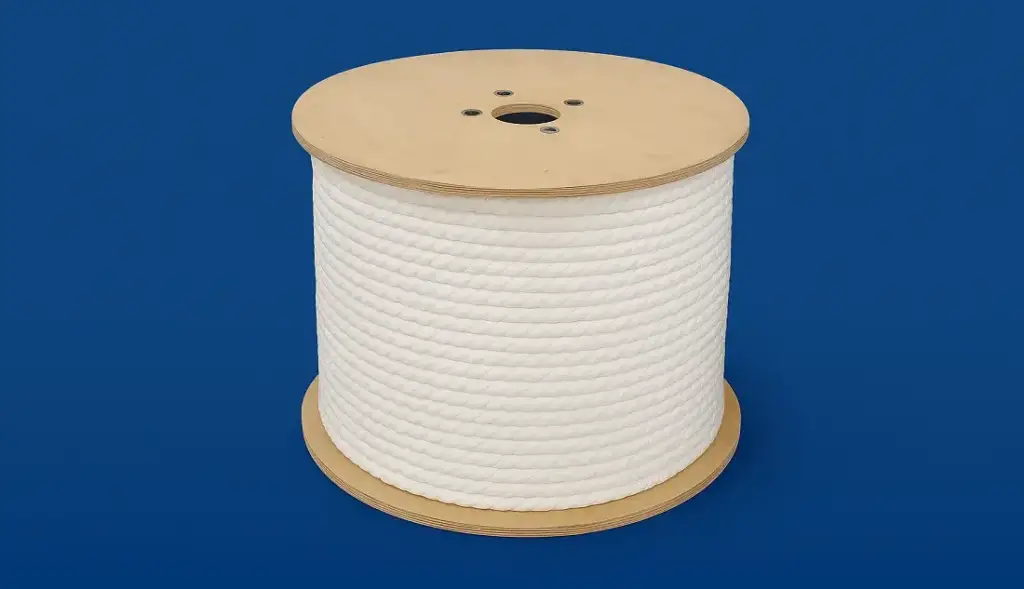
The cords & ropes developed by Juan Gili S.L. are used in cables for fiber optic networks, automation systems, railway infrastructures, and underground or submarine installations. In each of these environments, their function adapts to specific needs: from withstanding tensile stress during deployment to enabling easy cable opening without damaging internal elements.
Common Materials and Configurations
Instead of relying on metal reinforcements, we use textile materials such as aramid (known for its high strength and thermal resistance), high-tenacity polyester, or even fiberglass when thermal and dielectric resistance is required. We also develop hydro-expandable compositions for cables that need water-blocking properties.
Additionally, we customize each design according to technical requirements: number of strands, diameter, surface treatments, or compatibility with automatic cabling processes.
One of the main advantages of cords & ropes compared to traditional solutions is that they do not conduct electricity, making them ideal for systems requiring specific insulation. They are also much lighter than metal reinforcements, reducing the overall cable weight and making handling easier. Their flexibility, abrasion resistance, and durability against aging are key factors for large-scale implementation.
Our Expertise Serving the Industry
We have a long-standing trajectory as a trusted partner for cable manufacturers in sectors such as energy, telecommunications, and transportation. Our ability to adapt and design customized solutions, together with rigorous technical focus, allows us to offer high-value components that meet each customer’s challenges.
Industrial communication cables need more than conductivity: they require structure, resistance, and technical design. Cords & ropes provide exactly that. And at Juan Gili S.L., we apply our textile expertise to serve this key industry, developing components that add performance and sustainability.
If your company works with industrial cables, we are ready to help you design the best textile solution for your telecommunications projects.
FAQS
Cords & ropes are high-tenacity textile components integrated into the cable structure to provide tensile strength, internal stability, and support during installation and long-term use.
Because they are lighter, non-conductive, flexible, and resistant to abrasion and aging, making cables easier to handle and safer for insulated communication systems.
They are commonly made of aramid, high-tenacity polyester, fiberglass, or hydro-expandable fibers for water-blocking protection.
They act as tensile elements that withstand mechanical stress during deployment and reduce weight, making installation faster and safer.
A ripcord is a cord that allows technicians to open the cable sheath easily without damaging internal conductors, improving maintenance efficiency.