

CINTAS DE ATADO NO TEJIDAS Y TEJIDAS
Cintas de atado no tejidas y tejidas no conductivas y semiconductoras
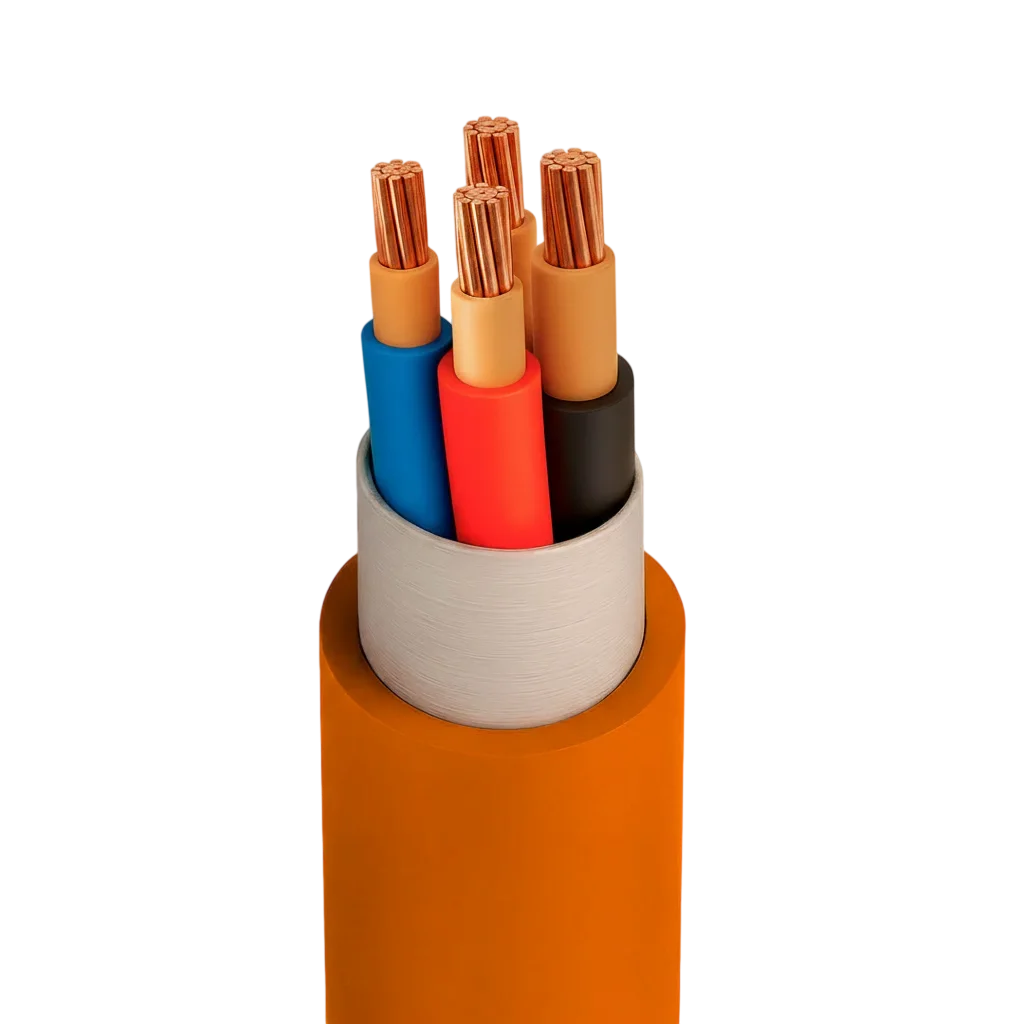
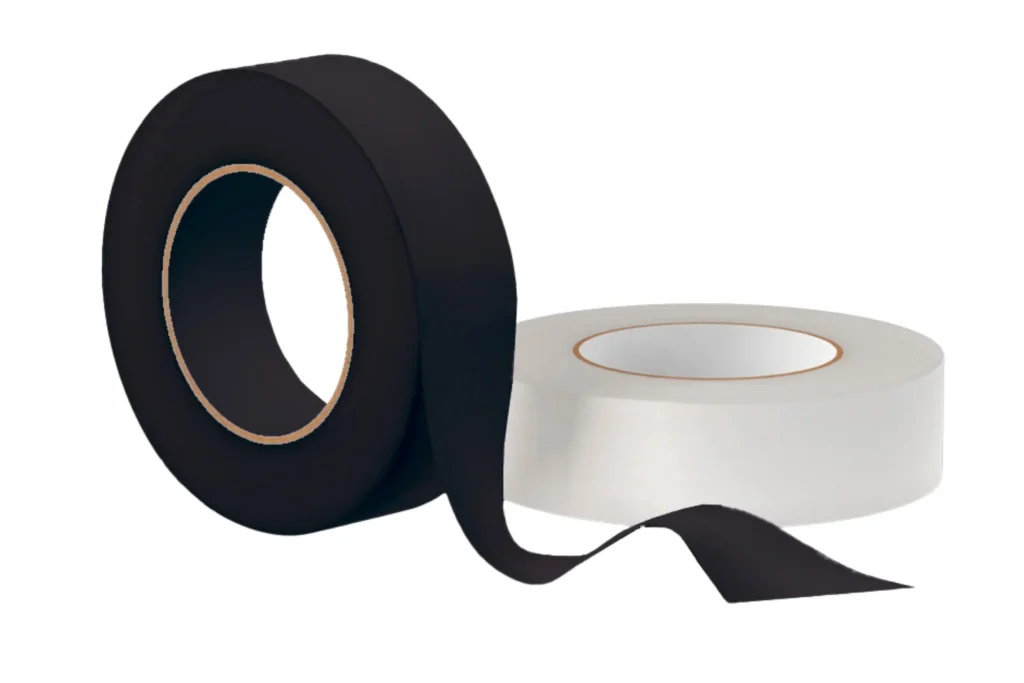
Las cintas de atado y las cintas no tejidas son materiales utilizados en la construcción de cables para organizar, asegurar y proteger los componentes internos. Ayudan a mantener la integridad estructural del cable durante la fabricación, manipulación e instalación. Además, contribuyen a la estabilidad del diseño, la flexibilidad y facilitan el acceso a los elementos internos cuando es necesario.
Tejido no tejido de poliéster no conductivoCinta no tejida de poliéster no conductiva reforzadaCinta no tejida de poliéster semiconductora reforzadaCinta lateral de nylon semiconductoraAplicación
- Se utilizan para separar y asegurar conductores y núcleos, manteniendo el aislamiento adecuado entre las capas del cable.
- Ayudan a mantener la redondez, compactación y estabilidad estructural del núcleo del cable.
- Facilitan la aplicación de pantallas metálicas o cubiertas exteriores durante el proceso de producción del cable.
- Proporcionan protección mecánica, estabilidad dimensional y facilitan la manipulación durante la fabricación.
Gama de productos
- Cinta no tejida de poliéster no conductiva.
- Cinta no tejida de poliéster semiconductora.
- Cinta de nylon semiconductora.
Beneficios clave
Las cintas de atado se utilizan para asegurar y compactar los componentes internos del cable, manteniendo su integridad durante la fabricación, manipulación e instalación.
Ofrecen mayor flexibilidad y adaptabilidad, lo que las hace óptimas para cables de fibra óptica y telecomunicaciones.
Ambos tipos reducen la fricción interna, mejoran la estabilidad del diseño y facilitan el acceso a los elementos del cable mediante sistemas de desgarro.
Características clave
- Propiedades no conductivas y semiconductoras.
- Bajo peso.
- Espesor de 0,04 mm a 0,2 mm.
- Diferentes formatos: pads, bobinas y jumbo bobinas.
- Disponible con gran diámetro exterior (OD) para reducir paradas de producción.
Tejido no tejido de poliéster no conductivo
Composición
Hilo de poliéster HT
Tela no tejida
Negro carbón
Aplicación
Atrapamiento, blindaje y separación de conductores en cables, ofreciendo menor peso, una estructura más delgada y mayor resistencia.
Se puede personalizar según las necesidades específicas.
| Propiedad | Unidad | SWBZSD-30 | SWBZSD-30N | SWBZSD-35 | Test Method |
|---|---|---|---|---|---|
| Espesor | mm | 0,30±0,02 | 0,30±0,05 | 0,35±0,05 | ISO 9073-2 |
| Peso | g / m² | 80±10 | 100±10 | 150±10 | ISO 9073-2 |
| Resistencia a la tracción | N / cm | ≥100 | ≥100 | ≥150 | ISO 9073-3 |
| Alargamiento | % | ≥12 | ≥12 | ≥12 | ISO 9073-3 |
| Estabilidad a corto plazo | °C | 230 | 230 | 230 | Gili Test 5 |
| Estabilidad a largo plazo | °C | 145 | 145 | 145 | IEC 216 |
| Resistencia superficial | Ω | ≤1500 | ≤1500 | ≤1500 | Gili Test 8 / DIN 53482 |
| Resistencia volumétrica | Ω·cm | <1×10⁶ | <1×10⁶ | <1×10⁶ | Gili Test 9 / DIN 54345 |
Dimensiones del rollo y la bobina
| Ancho de corte (mm) | 10–150 |
| Diámetro exterior máximo (mm) | 400–800 |
| Diámetro interior (mm) | 76–152 |
Cinta no tejida de poliéster no conductiva reforzada
Composición
Hilo de poliéster HT
Tela no tejida
Negro carbón
Aplicación
Aislamiento, blindaje y separación de conductores en cables, ofreciendo menor peso, una estructura más delgada y mayor resistencia.
Se puede personalizar según las necesidades específicas.
| Propiedad | Especificaciones | Test Method | ||
|---|---|---|---|---|
| SWBZSD-30 | SWBZSD-30N | SWBZSD-35 | ||
| Espesor | 0,30±0,02 | 0,30±0,05 | 0,35±0,05 | ISO 9073-2 |
| Peso | 80±10 | 100±10 | 150±10 | ISO 9073-2 |
| Resistencia a la tracción | ≥100 | ≥100 | ≥150 | ISO 9073-3 |
| Alargamiento | ≥12 | ≥12 | ≥12 | ISO 9073-3 |
| Estabilidad a corto plazo | 230 | 230 | 230 | Gili Test 5 |
| Estabilidad a largo plazo | 145 | 145 | 145 | IEC 216 |
| Resistencia superficial | ≤1500 | ≤1500 | ≤1500 | Gili Test 8 / DIN 53482 |
| Resistencia volumétrica | <1×10⁶ | <1×10⁶ | <1×10⁶ | Gili Test 9 / DIN 54345 |
Dimensiones del rollo y la bobina
| Ancho de corte (mm) | 10–150 |
| Diámetro exterior máximo (mm) | 400–800 |
| Diámetro interior (mm) | 76–152 |
Cinta no tejida de poliéster semiconductora reforzada
Composición
Hilo de poliéster HT
Tela no tejida
Negro Carbón
Aplicación
Atrapamiento, blindaje y separación de conductores en cables, ofreciendo menor peso, una estructura más delgada y mayor resistencia.
Se puede personalizar según las necesidades específicas.
| Propiedad | Unidad | SWBZSD-30 | SWBZSD-30N | SWBZSD-35 | Test Method |
|---|---|---|---|---|---|
| Espesor | mm | 0,30±0,02 | 0,30±0,05 | 0,35±0,05 | ISO 9073-2 |
| Peso | g / m² | 80±10 | 100±10 | 150±10 | ISO 9073-2 |
| Resistencia a la tracción | N / cm | ≥100 | ≥100 | ≥150 | ISO 9073-3 |
| Alargamiento | % | ≥12 | ≥12 | ≥12 | ISO 9073-3 |
| Estabilidad a corto plazo | °C | 230 | 230 | 230 | Gili Test 5 |
| Estabilidad a largo plazo | °C | 145 | 145 | 145 | IEC 216 |
| Resistencia superficial | Ω | ≤1500 | ≤1500 | ≤1500 | Gili Test 8 / DIN 53482 |
| Resistencia volumétrica | Ω·cm | <1×10⁶ | <1×10⁶ | <1×10⁶ | Gili Test 9 / DIN 54345 |
Dimensiones del rollo y la bobina
| Ancho de corte (mm) | 10–150 |
| Diámetro exterior máximo (mm) | 400–800 |
| Diámetro interior (mm) | 76–152 |
Cinta lateral de nylon semiconductora
Composición
Tejido de nailon
Negro carbón
Aplicación
Se utiliza para el apantallamiento, la separación y la unión del conductor y el núcleo de los cables de alimentación.
Puede personalizarse según las necesidades específicas.
| Propiedad | Unidad | BNLD-10 | BNLD-12 | BNLD-14 | Test Method |
|---|---|---|---|---|---|
| Espesor | mm | 0,10±0,02 | 0,12±0,02 | 0,14±0,02 | ISO 9073-2 |
| Peso | g / m2 | 90±5 | 100±5 | 110±5 | ISO 9073-2 |
| Resistencia a la tracción | N / cm | ≥100 | ≥120 | ≥150 | ISO 9073-3 |
| Alargamiento | % | ≥25 | ≥25 | ≥25 | ISO 9073-3 |
| Estabilidad a corto plazo | °C | 230 | 230 | 230 | Gili Test 5 |
| Estabilidad a largo plazo | °C | 145 | 145 | 145 | IEC 216 |
| Resistencia superficial | Ω | ≤1000 | ≤1000 | ≤1000 | Gili Test 8 / DIN 53482 |
| Resistencia volumétrica | Ω·cm | < 1×10⁵ | < 1×10⁵ | < 1×10⁵ | Gili Test 9 / DIN 54345 |